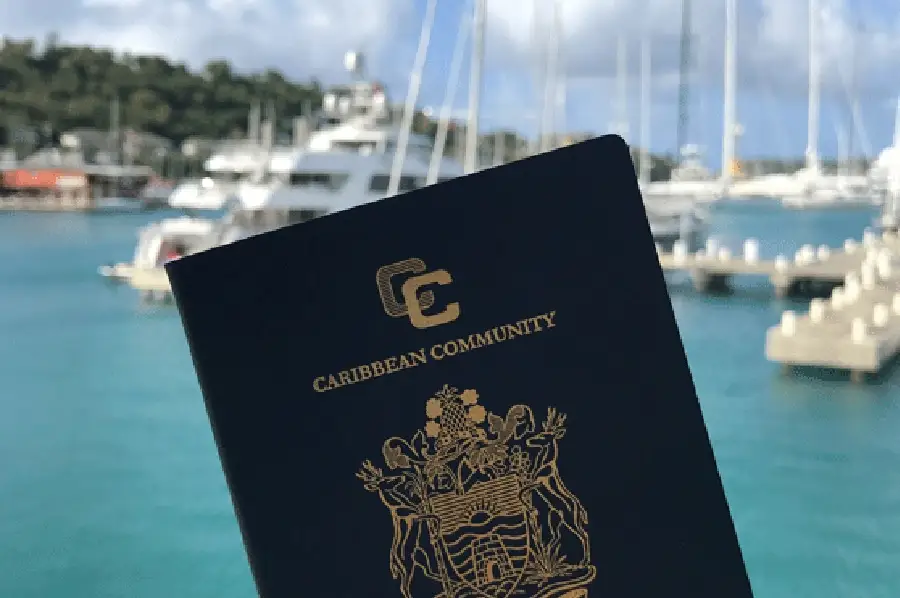
The choice between Slovenia vs. Caribbean citizenship by investment is more than a simple comparison of two paths; it is a fundamental decision between speed and stability, transaction and integration. For years, the fast-track donation programs of the Caribbean have been a popular choice for those seeking a quick second passport. However, a seismic shift in global policy is exposing their fragility. This strategic comparison will dissect both models, revealing why Slovenia’s residency-based path offers superior long-term security and value, making the debate of Slovenia vs. Caribbean citizenship by investment more critical than ever.
The Caribbean Model: The Promise of Speed and Simplicity
The primary allure of Caribbean Citizenship by Investment (CBI) programs—offered by nations like St. Kitts & Nevis, Dominica, Grenada, Antigua & Barbuda, and St. Lucia—has always been their straightforward, transactional nature. They promise a second passport in a matter of months, bypassing the long residency and integration requirements typical of traditional immigration processes. This model is built for speed, designed to deliver a result with minimal friction for the applicant.
How the Donation Route Works
The most common route in the Caribbean is a direct, non-refundable donation to a national development fund. An applicant makes a one-time payment, typically starting from $100,000 to $250,000, plus various government and due diligence fees. In return, after a background check, they and their family are granted citizenship and a passport, often without ever setting foot in the country. This simple exchange of cash for citizenship is the hallmark of the Caribbean model.
The Allure of a Quick Second Passport Comparison
When conducting a simple second passport comparison, the Caribbean option often appears attractive on paper. The processing time of just a few months is a powerful draw compared to the multi-year timelines of residency-based routes. The passports historically offered visa-free access to the UK and Europe’s Schengen Area, making them a popular tool for enhancing global mobility quickly. This focus on speed is a key point in the Slovenia vs. Caribbean citizenship by investment debate.
The Slovenian Model: A Philosophy of Integration and Contribution
Slovenia operates on a completely different philosophy, one that is a stark contrast in this Slovenia vs. Caribbean citizenship by investment comparison. It does not offer citizenship by investment. Instead, it provides a transparent, EU-compliant path to legal residency through active business contribution. The ultimate goal of citizenship is not a transaction but the culmination of a decade-long journey of integration, creating a genuine and unshakeable bond with the country.
No Citizenship by Investment
There is no option to donate money in exchange for a Slovenian passport. The path is earned, not bought. It begins with establishing and operating a genuine business in Slovenia, contributing to the economy, paying taxes, and creating value. This merit-based system is fully aligned with the principles of the European Union, which prioritizes citizenship based on genuine links, not financial transactions. This is a fundamental difference in the Slovenia vs. Caribbean citizenship by investment analysis.
The Journey from Business Owner to Resident
The process starts with obtaining a residence permit based on your role in a Slovenian company. After a period of proven business activity, you can secure this permit, which is the first step on a ten-year path to potential citizenship. This journey is deliberate and requires commitment, but it provides a level of legitimacy and security that transactional programs cannot match. It is a path of substance, a key factor in the Slovenia vs. Caribbean citizenship by investment choice.
The Core of the Debate: Stability vs. Volatility
The central issue in the Slovenia vs. Caribbean citizenship by investment debate is long-term security. The fast-track Caribbean model is proving to be highly volatile and vulnerable to geopolitical pressures, while Slovenia’s methodical, EU-compliant path offers unparalleled stability. For any serious investor, particularly those with families, this distinction is the most important factor to consider for a secure future.
The Caribbean CBI Decline: A Story of Revoked Visas
The value of a Caribbean passport has been significantly eroded. In 2023, the UK revoked visa-free access for Dominica and Vanuatu, citing due diligence concerns. Canada followed suit. The EU has also threatened to suspend its Schengen visa-waiver agreement with any Caribbean nation that does not tighten its CBI program. This has forced these countries to raise prices and add interviews, but the damage to their reputation and the trust of investors is already done.
Why Slovenia’s Path is Insulated from these Risks?
Slovenia’s residency-based path is completely immune to these threats. As it is a standard legal immigration process, not a CBI scheme, it is not a target for the EU or other international bodies. It is respected as a legitimate means of integration, as detailed by the EU’s own statements on the matter. This means your legal status, and that of your family, is secure and will not be devalued by the political decisions of other countries. This is a critical advantage for Slovenia in this Slovenia vs. Caribbean citizenship by investment comparison.
The Critical Factor in this Slovenia vs. Caribbean Citizenship by Investment Analysis
The critical factor is this: a passport’s value is not permanent. A passport obtained through a program that is viewed with suspicion by global powers is a high-risk asset. A status earned through a decade of proven residency and contribution within a respected EU nation is a secure, lifelong asset. This is the most important takeaway from any Slovenia vs. Caribbean citizenship by investment analysis.
A Head-to-Head Look at Slovenia vs. Caribbean Citizenship by Investment
A financial comparison reveals one of the most compelling arguments in the Slovenia vs. Caribbean citizenship by investment debate. While Caribbean programs are often marketed as cheaper, a closer look at the nature of the investment and the long-term return on investment (ROI) tells a very different story.
Sunk Cost Donation vs. a Productive Business Asset
A donation to a Caribbean government fund is a sunk cost—money that you will never see again. The investment required for the Slovenian path, however, is channeled into your own company. It is a productive asset that you control. You can use this capital to grow a business, generate income, and build wealth within the stable Slovenian economy. It is an investment in your own future, not a fee paid for a service.
Long-Term ROI: A Clear Winner
The long-term ROI of the Slovenian model is demonstrably superior. Your business can become a profitable enterprise and a valuable asset to pass on to your children. The ROI of a Caribbean donation, especially if the passport’s travel privileges are revoked, is effectively negative. You are left with a significant financial loss and a devalued document. This financial logic is a key part of the Slovenia vs. Caribbean citizenship by investment decision.
Beyond the Initial Investment: Hidden Fees and Costs
Caribbean programs often come with a web of additional government, due diligence, and agent fees that can significantly increase the total outlay. The Slovenian path is more transparent. The primary cost is the investment in your own business, with standard administrative fees for permits. The financial structure is cleaner and more aligned with a sound investment strategy than that of any of the Caribbean CBI options.

The Power of the Passport: A Deeper Second Passport Comparison
On the surface, a key part of this second passport comparison is visa-free travel. While top-tier Caribbean passports offer access to many countries, a deeper analysis of the rights and reputation associated with each passport reveals the superior power of an EU document. The debate of Slovenia vs. Caribbean citizenship by investment must consider what a passport truly empowers you to do.
EU Citizenship vs. Caribbean: The Right to Live and Work
This is the most significant difference. A Caribbean passport grants you the right to live and work only in that specific Caribbean nation. An EU passport, such as Slovenia’s, grants you the absolute right to live, work, study, and retire in any of the 27 EU member states, plus Switzerland, Norway, and Iceland. Key benefits of EU citizenship vs. Caribbean include:
- Unrestricted access to the entire EU job market without needing a work permit
- The ability to start a business and operate seamlessly across the EU’s single market
- Access to EU-wide healthcare and social security systems
- The right for your children to attend university in any EU country at local tuition fees
- The freedom to retire in any EU country of your choosing
- Full property ownership rights across the EU
The Question of Passport Reputation and Scrutiny
In an era of heightened global security, the reputation of your travel document matters. Passports from countries known for their CBI programs are increasingly facing greater scrutiny at international borders. Holders may be subject to more questioning and suspicion. A passport from a respected EU country like Slovenia, earned through a legitimate process, carries a higher degree of trust and credibility, ensuring smoother travel and a better global standing.
The Quality of Life Factor in Slovenia vs. Caribbean Citizenship by Investment
Your citizenship choice will define the environment in which you and your family may live. The Slovenia vs. Caribbean citizenship by investment comparison must therefore include a realistic look at the quality of daily life. The Caribbean offers a beautiful vacation lifestyle, but Slovenia provides a stable, safe, and nurturing environment for building a long-term family life.
A Place to Visit vs. a Place to Build a Life
The Caribbean islands are world-class tourist destinations. However, living there year-round can present challenges, including exposure to hurricane season, reliance on tourism-based economies, and limited infrastructure. Slovenia, in contrast, is a highly developed, modern European country with a diverse economy, four distinct seasons, and world-class infrastructure. It is a place designed for stable, year-round living, not just a temporary escape.
Safety, Healthcare, and Education: The Slovenian Advantage
When it comes to family well-being, the Slovenian advantage is clear. A detailed comparison reveals:
- Safety: Slovenia is one of the safest countries on earth, while some Caribbean nations struggle with higher crime rates
- Healthcare: Slovenia offers a high-quality, universal public healthcare system accessible to all residents, as detailed on the official government portal
- Education: Slovenia provides free, high-standard public education and a gateway to affordable university education across the EU
- Stability: Slovenia’s economy and political system are stable and fully integrated into the EU, providing a secure environment for long-term planning
The Family Perspective: A Crucial Part of Slovenia vs. Caribbean Citizenship by Investment
For families, the primary goal is generational security. The Slovenia vs. Caribbean citizenship by investment choice must be viewed through this lens. Which path offers a more secure and opportunity-rich future for your children and grandchildren? Here, the Slovenian model’s superiority is undeniable.
Generational Security: Passing Down Your Status
A Slovenian EU citizenship is a permanent legacy that can be passed down to future generations, granting them the same rights and freedoms. While Caribbean citizenship is also hereditary, its value is precarious. There is a real risk that the passport your grandchildren inherit will have far fewer travel privileges than it does today. The security of an EU citizenship, backed by the world’s largest economic bloc, is far more durable.
Educational Opportunities for Children in the EU
This is a game-changing benefit for families. As EU citizens, your children can access world-class universities across Europe at a fraction of the cost of international students. They can study in Germany, the Netherlands, or France, paying the same low fees as locals. This opens up a world of academic and career opportunities that a Caribbean passport simply cannot provide. This is a crucial point in the Slovenia vs. Caribbean citizenship by investment debate.
Slovenia
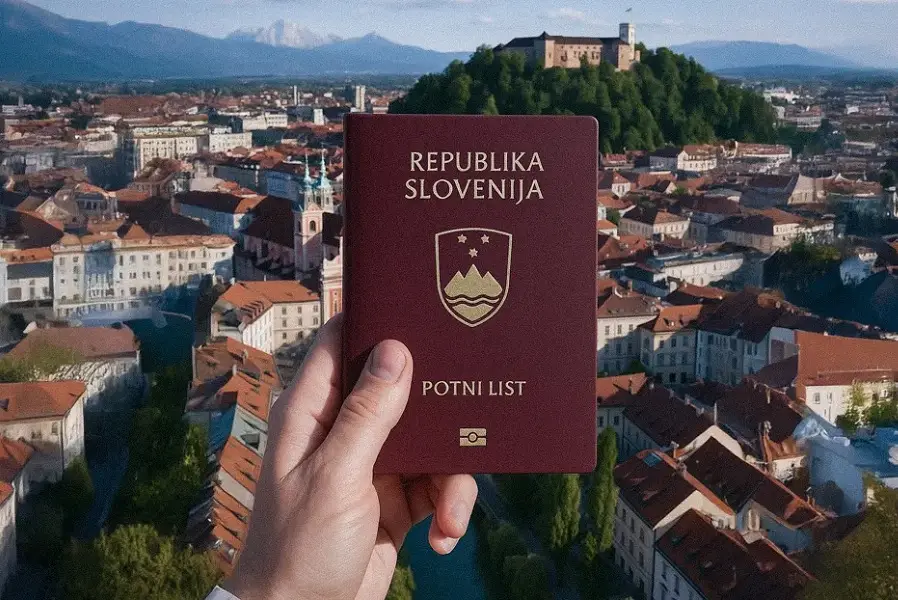
The Final Verdict on Slovenia vs. Caribbean Citizenship by Investment
The final verdict in the Slovenia vs. Caribbean citizenship by investment comparison is clear. For the strategic investor focused on long-term security, legacy, and genuine opportunity, Slovenia is the undisputed winner. The era of the quick, transactional passport is fading. The future belongs to legitimate, stable, and respectable paths to global citizenship.
Your family’s future deserves to be built on a foundation of certainty, not on a risky gamble. Contact Quantome Passport for a strategic consultation today. Let us guide you through the intelligent, stable, and rewarding path to a secure European future in Slovenia.
FAQ
Which option is faster?
The Caribbean route is significantly faster for obtaining a passport (months vs. 10 years). However, this speed comes at the cost of long-term stability and security.
Is a Caribbean passport still a good investment?
It is becoming an increasingly high-risk proposition. With the threat of further visa-waiver revocations, its value as a tool for global mobility is uncertain.
Can I get EU citizenship with a Caribbean passport?
No. A Caribbean passport is not an EU passport. While it may offer visa-free travel to the EU (for now), it does not grant the right to live, work, or study in the EU.
What is the main difference in the due diligence process?
While Caribbean nations are tightening their processes, Slovenia’s due diligence is inherently deeper as it unfolds over a decade of residency, allowing authorities to observe an applicant’s conduct over time.
Does Slovenia’s path allow dual citizenship?
Generally, Slovenia requires renunciation of previous citizenship for naturalization. Most Caribbean programs allow dual citizenship. This is a significant personal consideration.